Society
IQAir Says 200+. Why Are Schools Still Open?
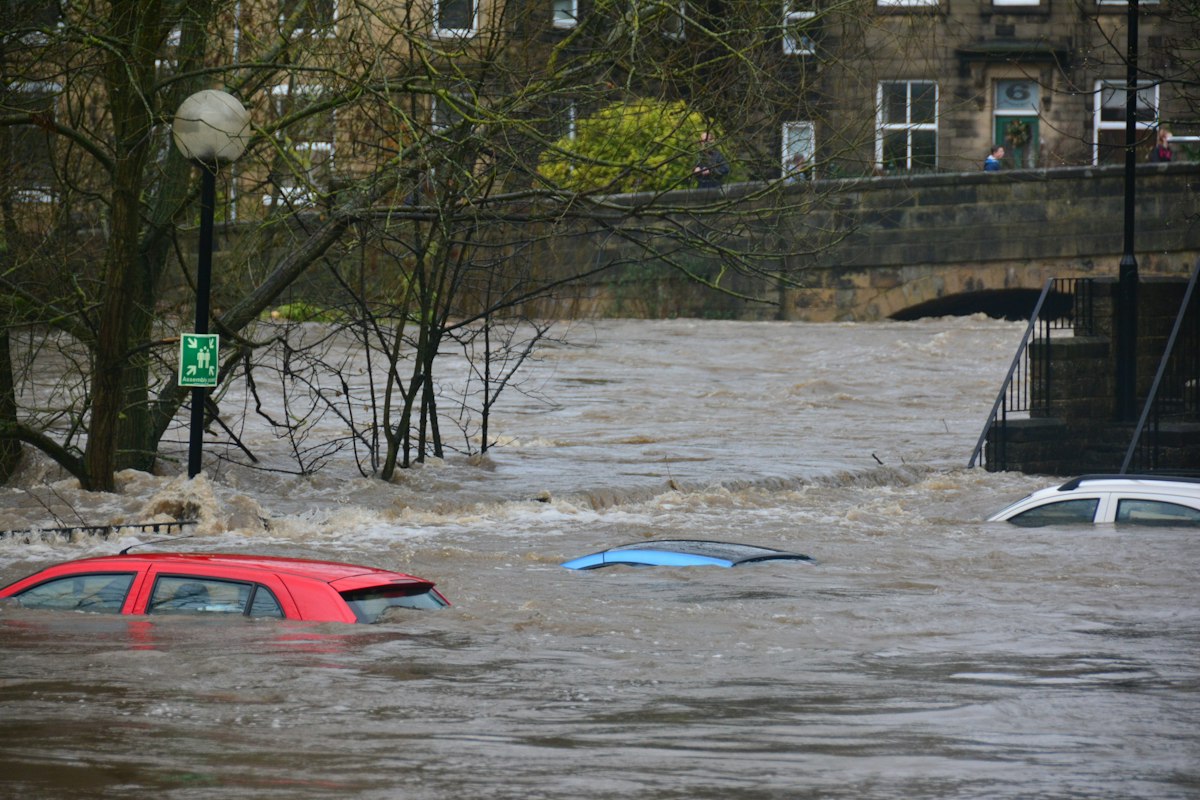
The haze looks bad and IQAir may show 200+, yet schools remain open. The reason: the number on your screen may not be the official Malaysian IPU schools use.
Topic
Long-form reporting and commentary on Malaysian society, communities, class, work, and everyday life.
Browse recent society stories from The Times of Malaya.
The haze looks bad and IQAir may show 200+, yet schools remain open. The reason: the number on your screen may not be the official Malaysian IPU schools use.
Most of us do not think about our lungs while we feel well. Malaysia's late-detection numbers are a reason to understand when a lung check may be worth discussing.
Not smoking lowers your risk, but it does not make lung cancer impossible. Here is why second-hand smoke, symptoms and other risk factors still matter.
MediAsas could make basic private medical cover more accessible from 2027. But it is voluntary, not free, and several important details are still being tested.
A lower inflation rate means prices are rising more slowly. It does not mean prices have returned to where they were, or that every household feels the same pressure.
Flat rates, the Rule of 78 and EIR can make the same car loan look very different. Here is what changed, what has not, and what to ask before signing.
A practical 2026 breakdown of car ownership in Malaysia, using the current Proton Saga price and showing why the instalment is only part of the monthly cost.
What does it cost to live in Kuala Lumpur in 2026? Compare official Klang Valley budget benchmarks with three worked salary examples.
Malaysia's diaspora is estimated at 1.86 million. The harder question is how much skilled talent leaves, why they go, and what could bring them back.
The line between work and home keeps blurring for many, one quiet expectation at a time.
A friend found something small and simple that changed his life. Not a sudden shift, but a real difference.
The appointment is RM60 before any medication. This is considered normal. What is harder to calculate is what normal is becoming.
For over 24 hours, the taps ran dry in Bangsar, a major disruption that highlighted contrasting realities.
A nurse, an engineer, and someone whose life was portable enough to follow the person she loved. Three ordinary departures.
The water came on a Thursday. By Saturday it was gone, and what remained was the line on the wall and the neighbours in each other's kitchens.
Not because the thing it describes didn't exist. Because the permission to name it didn't.
Nobody moves between noon and two if they can help it. This is not new information. It has just become more true.
She asked about it in the second interview. The people across the table had a reaction that was quickly suppressed but not quickly enough.
They point at it from the bridge now. Not at something you can do but at something that was done, once, in a different version of the same place.
The work is roughly the same amount. The team is not. Nobody announced this as a problem.
Every year, the monsoon closes the fishing villages of Kelantan and Terengganu for months. What happens to the people who live there while they wait?
When tourists arrive looking for the Malaysia they saw online, they find something more complicated. So do Malaysians who have started to see their own country through someone else's lens.
Every year around December, the same roads flood, and every year we act like we didn't see it coming.
Three years ago the conversation about Johor Bahru was about Singaporeans going there for cheap food. Now it is different.
The ringgit rate is not a number most Malaysians used to check daily. It is now.
There was a number everyone knew without looking. That certainty has dissolved, slowly, the way most certainties do.
One generation was married at 24 and had a house by 28. The next is 31 and renting a room.
The factory runs on orders. When the orders slow, everything else slows with them — just more quietly.
The result is read out loud in a quiet kitchen. Everyone is trying to hold their face in the right arrangement.
Everyone was so proud on the day they left for campus. Nobody knew how to say they were terrified.
The number at the bottom is always higher than you were expecting. This has stopped being surprising.
Most of us weren't alive in 1957, and neither were our parents, and somehow the event is still supposed to mean something personal.
School ends at 1pm. The child is at the tuition centre by 3. This is considered a normal Tuesday.
The evening is planned around it. Not around where to go, but around when the last bus leaves.
The Klang Valley's rail network has grown faster than almost any in Southeast Asia. The question is whether the city built around it has grown with it.
Nobody in this waiting room is performing their ethnicity. They're just waiting.
Nobody announced the rules. Everybody follows them.
The national anthem is known by heart. It still means something. And the questions are still there.
For decades, the destination was Singapore. Now, a new generation of Malaysian talent is leaving for cities they could not have imagined working in ten years ago. Some are building something new before they go.
It's still there, but for how much longer is a question the uncle has stopped answering.
The road is real. The progress is real. And something else is real too.
A room of your own sounds like independence until you're actually in it.
The city apartment is where life happens now. But home is still the kampung, and that distinction matters in ways that are hard to explain.
Malaysia built more malls per capita than almost any country on earth. Now, a generation that grew up inside them is quietly walking away.
The kedai runcit didn't close dramatically. It just quietly stopped being there one day.
The corridor is narrow enough that you have to turn sideways when the neighbours carry groceries. Everyone knows this and nobody mentions it.