Malaysia has a large diaspora, but no single number explains the whole picture.
A 2011 World Bank study estimated that around one million Malaysians were living abroad in 2010, with roughly one-third considered highly skilled. A TalentCorp document published in 2025 referred to Malaysia's global diaspora as an estimated 1.86 million people.
Those numbers are not directly comparable. They use different years, sources and definitions. "Diaspora" is also not the same as "brain drain". A diaspora includes people of different ages and skill levels, while brain drain refers to skilled talent that is difficult to replace.
Both figures nevertheless point to the same issue: a substantial number of Malaysians are building lives and careers elsewhere.
Who Is Actually Leaving?
The default image is a young graduate moving to Singapore. That is real, but incomplete.
Some leave for university and receive a job offer before returning. Some move in mid-career after having children, when schools, healthcare, safety and the long-term future carry more weight.
Some Malaysians in Johor commute to Singapore. They may not have formally emigrated, but their labour and productivity are being used by the economy across the Causeway.
There is also a newer group who remain physically in Malaysia while working entirely for overseas employers. They spend here and may pay some taxes here, but their professional networks and output strengthen businesses abroad.
Brain drain in 2026 is therefore not only about who changes address. It is also about where skills, experience and ambition are applied.
Why Singapore Remains the Main Draw
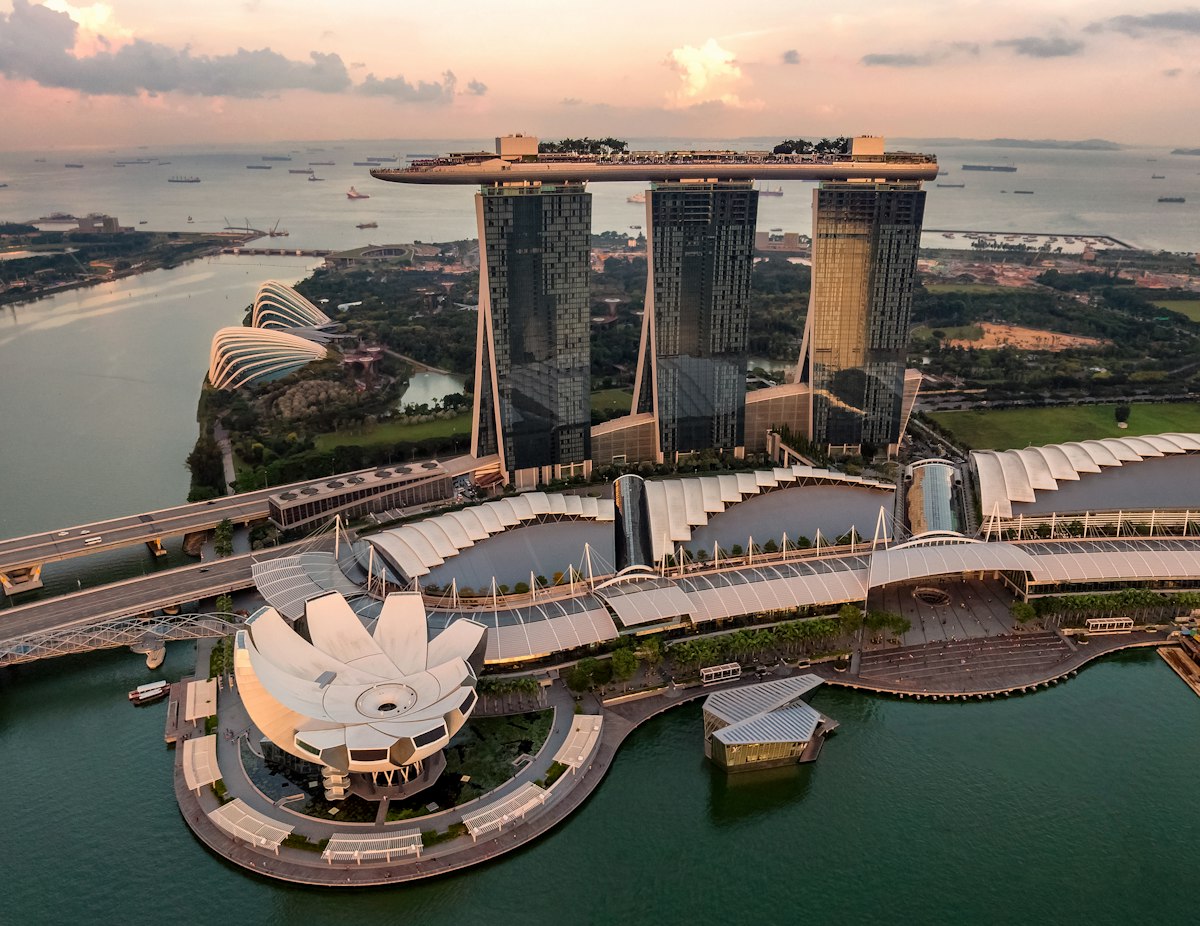
Singapore offers a combination that is difficult to match: proximity, a familiar working environment, established Malaysian networks and higher salaries in a stronger currency.
For many, the decision is not a rejection of Malaysia. It is household arithmetic. Higher pay can accelerate savings, support parents and widen education choices for children.
The stories of three Malaysians who left for Singapore show that migration decisions rarely have one cause. Pay matters, but so do career progression, recognition and confidence in the future.
Destinations are also becoming more diverse. Australia, the United Kingdom, North America and other Asian economies continue to attract Malaysians, while remote work makes overseas employers accessible without a physical move. The brain drain's new destination may be a foreign company rather than a foreign city.
What Does Malaysia Lose?
Losing an engineer, doctor or researcher is not simply losing one taxpayer.
That person might also mentor others, build teams, start companies, conduct research and carry experience into local institutions. Talent compounds when it remains part of an ecosystem.
The loss need not be permanent. A diaspora can bring back capital, networks, customers and knowledge. Malaysians abroad can contribute without returning full-time.
The difference is connection. A country that maintains active links with its diaspora can turn migration into a network. A country that sees them only as a statistic misses that opportunity.
Why Do They Go?
Pay and productivity. The wage gap between Malaysia and markets such as Singapore can be too large for emotional attachment to offset.
Career opportunity. Skilled people want teams, companies and sectors in which they can grow. If too few high-value roles exist, they will move to where those roles are available.
Merit and belonging. Some Malaysians feel that advancement is not always determined by performance. That experience is not universal, but it influences long-term decisions.
Policy and institutional predictability. Professionals and entrepreneurs plan in years, not months. Rules that move too often raise the risk of building a career or company here.
Quality of life. Schools, healthcare, transport, safety and the environment for raising children all enter the calculation.
The question of who feels fully included also matters. Malaysia needs to consider who is in the room, not only who has left it.
What Could Bring Them Back?
Return programmes can help, but a one-off incentive cannot overcome a structural gap.
High-value employment needs to expand. Pay has to rise with productivity. Institutions need to be seen as fair and effective. Returning professionals need to believe that their partners and children can also build lives here.
Not everyone will return, and return is not the only measure of success. Malaysia can also make it easier for experts abroad to mentor, invest, advise, co-found companies or open doors to international markets.
The more useful question is not, "Why are they not loyal?" It is: what economic and social conditions make Malaysia a rational place to stay, return to or keep contributing to?
Brain drain is a story about people, not only a number. Most retain some connection to Malaysia. The challenge is to turn that connection into something productive, while giving the next generation stronger reasons to remain.
Malaysia mempunyai diaspora yang besar, tetapi tiada satu angka yang menerangkan keseluruhan keadaan.
Kajian Bank Dunia pada 2011 menganggarkan kira-kira satu juta rakyat Malaysia berada di luar negara pada 2010, dengan kira-kira satu pertiga terdiri daripada golongan berkemahiran tinggi. Dokumen TalentCorp yang diterbitkan pada 2025 pula merujuk kepada diaspora global Malaysia yang dianggarkan seramai 1.86 juta orang.
Dua angka ini tidak boleh dibandingkan secara terus. Tahun, sumber dan definisinya berbeza. "Diaspora" juga tidak sama dengan "brain drain". Diaspora merangkumi pelbagai umur dan tahap kemahiran, manakala brain drain merujuk kepada kehilangan tenaga mahir yang sukar diganti.
Namun kedua-duanya menunjukkan isu yang sama: sebahagian besar rakyat Malaysia membina kehidupan dan kerjaya di luar negara.
Siapa Yang Pergi?
Gambaran biasa ialah graduan muda yang berpindah ke Singapura. Gambaran itu benar, tetapi tidak lengkap.
Ada graduan yang keluar untuk melanjutkan pelajaran dan menerima tawaran kerja sebelum sempat pulang. Ada profesional pertengahan kerjaya yang berpindah selepas mempunyai anak, apabila pertimbangan sekolah, kesihatan, keselamatan dan masa depan menjadi lebih penting.
Ada rakyat Malaysia di Johor yang berulang-alik ke Singapura. Mereka tidak semestinya berhijrah secara rasmi, tetapi tenaga kerja dan produktiviti mereka digunakan oleh ekonomi di seberang Tambak.
Ada juga golongan baharu yang masih tinggal di Malaysia tetapi bekerja sepenuhnya untuk majikan luar negara. Mereka berbelanja di sini dan membayar sebahagian cukai di sini, tetapi jaringan profesional dan hasil kerja mereka mengukuhkan syarikat di luar negara.
Brain drain pada 2026 bukan hanya tentang siapa yang menukar alamat. Ia juga tentang tempat kemahiran, pengalaman dan cita-cita digunakan.
Mengapa Singapura Kekal Menjadi Tarikan Utama
Singapura menawarkan gabungan yang sukar ditandingi: jarak yang dekat, persekitaran kerja yang biasa, jaringan rakyat Malaysia yang sedia ada dan gaji yang lebih tinggi dalam mata wang yang lebih kukuh.
Bagi sesetengah orang, keputusan itu bukan penolakan terhadap Malaysia. Ia satu pengiraan isi rumah. Gaji yang lebih tinggi boleh mempercepatkan simpanan, membantu ibu bapa dan membuka pilihan pendidikan untuk anak.
Kisah tiga rakyat Malaysia yang pergi ke Singapura menunjukkan bahawa keputusan berhijrah jarang berpunca daripada satu faktor sahaja. Gaji penting, tetapi perkembangan kerjaya, pengiktirafan dan keyakinan terhadap masa depan turut memainkan peranan.
Destinasi juga semakin pelbagai. Australia, United Kingdom, Amerika Utara dan negara-negara Asia lain terus menarik rakyat Malaysia, sementara kerja jarak jauh menjadikan majikan asing boleh diakses tanpa perpindahan fizikal. Destinasi baharu brain drain mungkin sebuah syarikat di luar negara, bukan semestinya sebuah bandar.
Apa Yang Malaysia Hilang?
Kehilangan seorang jurutera, doktor atau penyelidik bukan sekadar kehilangan seorang pembayar cukai.
Mereka juga mungkin menjadi mentor, membina pasukan, mewujudkan syarikat, menjalankan penyelidikan dan membawa pengalaman kepada institusi tempatan. Bakat memberi kesan berganda apabila ia kekal dalam sesuatu ekosistem.
Kehilangan itu tidak semestinya kekal. Diaspora boleh membawa pulang modal, jaringan, pelanggan dan ilmu. Rakyat Malaysia di luar negara juga boleh menyumbang tanpa pulang sepenuhnya.
Perbezaannya terletak pada hubungan. Negara yang mengekalkan hubungan aktif dengan diasporanya boleh menukar penghijrahan menjadi jaringan. Negara yang hanya melihat mereka sebagai statistik kehilangan peluang tersebut.
Mengapa Mereka Pergi?
Gaji dan produktiviti. Jurang gaji antara Malaysia dengan pasaran seperti Singapura boleh menjadi terlalu besar untuk ditutup dengan faktor emosi.
Peluang kerjaya. Bakat mahir mahu bekerja dalam pasukan, syarikat dan sektor yang membolehkan mereka berkembang. Jika pekerjaan bernilai tinggi terlalu sedikit, mereka akan pergi ke tempat yang menawarkannya.
Merit dan rasa diterima. Sesetengah rakyat Malaysia merasakan peluang kemajuan tidak sentiasa ditentukan oleh prestasi. Pengalaman ini tidak sama untuk semua orang, tetapi ia mempengaruhi keputusan jangka panjang.
Kepastian dasar dan institusi. Profesional dan usahawan membuat keputusan untuk beberapa tahun, bukan beberapa bulan. Peraturan yang berubah-ubah meningkatkan risiko untuk membina kerjaya atau syarikat di sini.
Kualiti hidup. Sekolah, penjagaan kesihatan, pengangkutan, keselamatan dan persekitaran untuk membesarkan anak semuanya masuk dalam pengiraan.
Perbincangan tentang siapa yang dianggap benar-benar sebahagian daripada negara turut penting. Malaysia perlu melihat siapa yang berada di dalam bilik, bukan hanya siapa yang telah keluar daripadanya.
Apa Yang Boleh Membawa Mereka Pulang?
Program kepulangan boleh membantu, tetapi insentif sekali sahaja tidak dapat mengatasi jurang struktur.
Peluang pekerjaan bernilai tinggi perlu berkembang. Gaji perlu meningkat bersama produktiviti. Institusi perlu dilihat sebagai adil dan cekap. Profesional yang pulang perlu percaya bahawa pasangan dan anak mereka juga boleh membina kehidupan di sini.
Tidak semua orang akan pulang, dan itu bukan satu-satunya ukuran kejayaan. Malaysia juga boleh memudahkan pakar di luar negara menjadi mentor, pelabur, penasihat, pengasas bersama atau pintu masuk kepada pasaran antarabangsa.
Soalan yang lebih matang bukan "mengapa mereka tidak setia?" Soalannya ialah: apakah keadaan ekonomi dan sosial yang menjadikan Malaysia tempat yang rasional untuk tinggal, pulang atau terus menyumbang?
Brain drain ialah cerita tentang manusia, bukan hanya angka. Kebanyakan mereka masih mempunyai hubungan dengan negara ini. Cabarannya ialah memastikan hubungan itu boleh menjadi sesuatu yang produktif, dan memastikan generasi seterusnya mempunyai sebab yang lebih kuat untuk kekal.