Malaysia's inflation rate was 1.9 percent in June 2026.
On paper, that looks contained. At the supermarket, the restaurant or the annual insurance renewal, many people may not feel it.
Both can be true. Inflation can be low while the price level remains high, and a national average can move slowly while expenses important to your household rise faster.
Understanding the difference requires separating three things: the rate at which prices change, today's price level and the income available to pay for it.
Lower Inflation Does Not Mean Lower Prices
The Department of Statistics Malaysia reported that the Consumer Price Index rose 1.9 percent in June 2026 from a year earlier. The index increased from 134.5 to 137.1.
That means the measured basket of goods and services was, on average, 1.9 percent more expensive than in June 2025. It does not mean prices fell.
A simple example shows the difference. If a basket costs RM100 and rises by 4 percent, it becomes RM104. If inflation then slows to 2 percent, the basket becomes RM106.08.
The pressure is easing. The price has not returned to RM100.
Prices fall broadly only when inflation turns negative, known as deflation. That is not what a 1.9 percent reading shows.
Why Your Experience Differs From the Average
The Consumer Price Index is a weighted average. It combines many categories, from food and housing to transport, health, education and recreation.
No household buys precisely the same basket as the national average.
A family with young children may devote more income to food, care, school and transport. A renter in Kuala Lumpur may be more exposed to housing and commuting. A retiree may spend more on health. Someone living with family and using public transport has a different pattern again.
If the categories taking the largest share of your salary rise faster, your personal experience of inflation can feel higher than the headline figure.
In June 2026, DOSM reported that Restaurant and Accommodation Services prices rose 2.6 percent. For somebody who buys most meals outside because of work hours or living arrangements, that category may resemble daily life more closely than the overall 1.9 percent average.
Small Prices, Large Effects
People notice prices paid frequently.
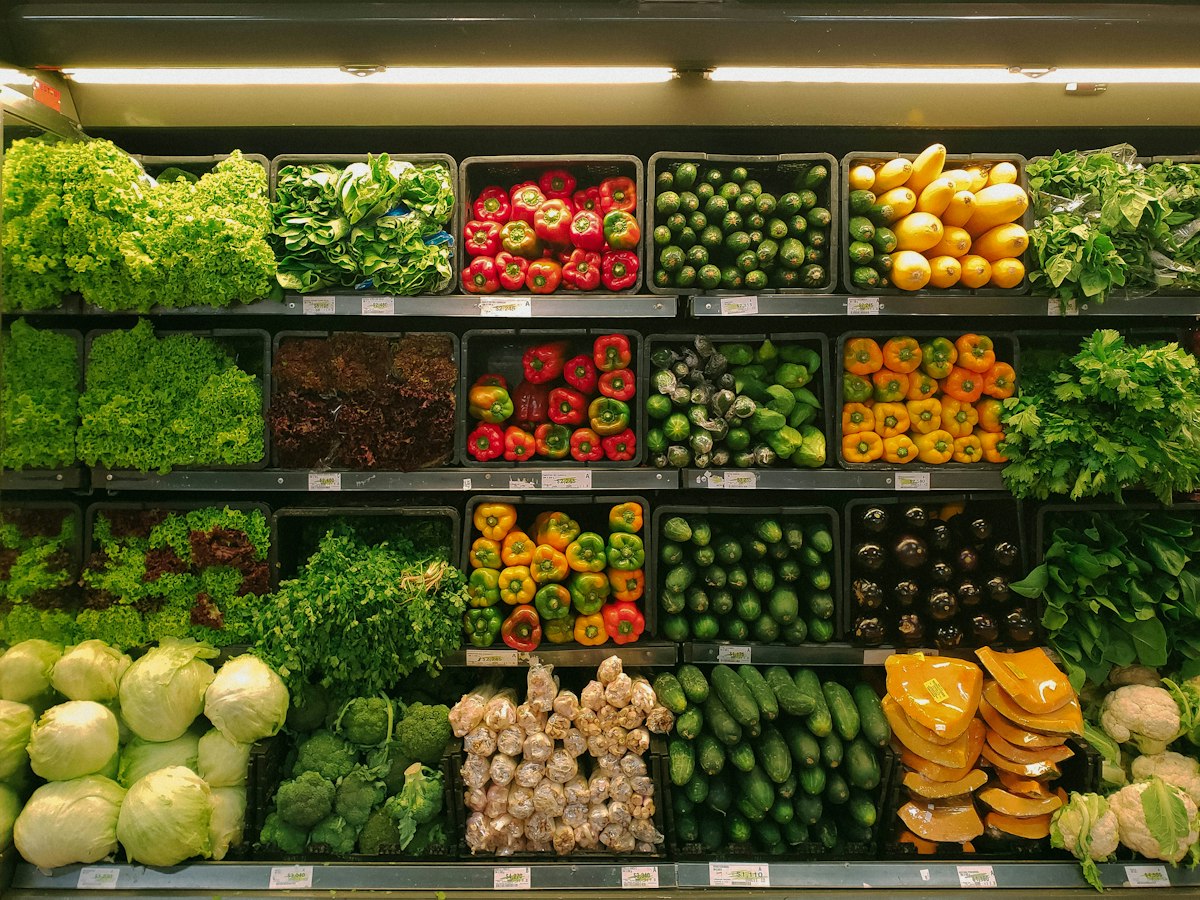
A RM1 increase at lunch, a few extra ringgit on an e-hailing trip or an item dropping out of promotion is visible every week. An unchanged television or phone price may hold down the average, but offers little day-to-day relief because it is rarely purchased.
Frequency helps explain why food feels so important. A small increase at the counter repeated 20 times a month can shape a household's experience more than a price reduction on one durable item.
ToM's story about the supermarket receipt that keeps getting longer describes the human side of this calculation: more comparison, more decisions in the aisle and more mental energy spent keeping the total within budget.
Income Determines Whether Inflation Feels Mild
The inflation rate does not tell us whether a person's wage is sufficient.
If expenses rise 1.9 percent while income remains unchanged, purchasing power still falls. If income grows faster than costs, a household may gain room even as prices continue rising.
The starting point matters too. A 1.9 percent increase is easier to absorb with savings and a monthly surplus. For a family already using nearly all its income on essentials, another RM30 or RM50 may require a cut elsewhere.
The Belanjawanku 2024/2025 guide estimates that a single public-transport user in the Klang Valley needs RM1,970 a month for a decent living standard, compared with RM2,800 for a single car owner. When take-home pay is close to that reference spending level, even a small price change feels significant.
Why the Official Number Still Matters
A gap between personal experience and official inflation does not make the statistic false.
The national index answers a specific question: how has the price of a representative basket changed across the economy? It lets us compare periods, categories and states using a consistent method.
It cannot tell you whether your rent rose, whether you support your parents or whether a new job requires a car.
The mistake is using an average to dismiss household experience, or using one receipt to dismiss national data. Each describes a different part of reality.
Calculate Your Household Inflation
You do not need a complicated economic model.
Take three months of bank or e-wallet records and group spending into housing, food, transport, bills, debt, health, family and other costs.
Then:
- Compare with the same period last year, not only the previous month.
- Separate price increases from behaviour. A restaurant bill may rise because prices increased or because you ate out more often.
- Compare unit prices when package sizes change.
- Identify the three categories taking the largest share of income.
- Focus on one or two large costs before chasing every small promotion.
This does not replace the CPI. It shows how the national average meets your life.
Two Numbers, Two Stories
Inflation tells us how quickly prices are moving. Cost of living tells us how much money is needed to sustain a particular life in a particular place. Affordability depends on income and what remains after the bills.
That is why Malaysia can record inflation of 1.9 percent while many Malaysians still say life feels expensive.
They may not be contradicting the data. They may be describing a price level that has already risen, a different household basket and an income that still leaves too little room.
Inflasi Malaysia ialah 1.9 peratus pada Jun 2026.
Di atas kertas, angka itu kelihatan terkawal. Di pasar raya, kedai makan atau apabila memperbaharui insurans, ramai orang mungkin tidak merasainya.
Kedua-dua perkara boleh benar pada masa yang sama. Kadar inflasi boleh rendah sementara tahap harga masih tinggi, dan purata negara boleh bergerak perlahan walaupun perbelanjaan tertentu yang penting kepada keluarga anda meningkat lebih cepat.
Untuk memahami perbezaannya, kita perlu memisahkan tiga perkara: kadar perubahan harga, tahap harga semasa dan pendapatan yang digunakan untuk membayarnya.
Inflasi Rendah Bukan Harga Rendah
Jabatan Perangkaan Malaysia melaporkan bahawa Indeks Harga Pengguna meningkat 1.9 peratus pada Jun 2026 berbanding setahun sebelumnya. Indeks meningkat daripada 134.5 kepada 137.1.
Itu bermaksud bakul barangan dan perkhidmatan yang diukur menjadi 1.9 peratus lebih mahal secara purata berbanding Jun 2025. Ia tidak bermaksud harga turun.
Contoh mudah menunjukkan perbezaannya. Jika satu bakul berharga RM100 dan naik 4 peratus, harganya menjadi RM104. Jika inflasi kemudian turun kepada 2 peratus, bakul itu menjadi RM106.08.
Tekanan harga semakin perlahan. Tetapi harganya tidak kembali kepada RM100.
Harga benar-benar turun secara meluas hanya apabila kadar inflasi menjadi negatif, iaitu deflasi. Itu bukan perkara yang ditunjukkan oleh angka 1.9 peratus.
Mengapa Pengalaman Anda Berbeza Daripada Purata
Indeks Harga Pengguna ialah purata berwajaran. Ia menggabungkan banyak kategori, daripada makanan dan perumahan kepada pengangkutan, kesihatan, pendidikan dan rekreasi.
Tiada isi rumah membeli bakul yang sama tepat dengan purata negara.
Sebuah keluarga dengan anak kecil mungkin membelanjakan bahagian lebih besar untuk makanan, penjagaan, sekolah dan pengangkutan. Seorang penyewa di Kuala Lumpur mungkin lebih terdedah kepada sewa dan perjalanan. Seorang pesara mungkin lebih banyak berbelanja untuk kesihatan. Seseorang yang tinggal bersama keluarga dan menggunakan pengangkutan awam mempunyai corak yang berbeza.
Jika kategori yang mengambil sebahagian besar gaji anda meningkat lebih cepat, "inflasi peribadi" anda boleh terasa lebih tinggi daripada angka utama.
Pada Jun 2026, DOSM melaporkan kumpulan Restoran dan Perkhidmatan Penginapan meningkat 2.6 peratus. Bagi seseorang yang membeli kebanyakan makanan di luar kerana waktu kerja atau keadaan rumah, kategori itu mungkin lebih dekat dengan pengalaman hariannya berbanding purata keseluruhan 1.9 peratus.
Harga Kecil, Kesan Besar
Orang ramai lebih mudah mengingati harga yang dibayar dengan kerap.
Kenaikan RM1 pada makan tengah hari, tambahan beberapa ringgit pada perjalanan e-hailing atau satu barang yang dikeluarkan daripada promosi dilihat setiap minggu. Harga televisyen atau telefon yang tidak berubah mungkin membantu menurunkan purata, tetapi ia tidak memberi kelegaan yang sama kerana barangan itu jarang dibeli.
Kekerapan juga menjelaskan mengapa kos makanan terasa begitu penting. Perubahan kecil di kaunter yang diulang 20 kali sebulan boleh memberi kesan lebih besar kepada perasaan isi rumah berbanding penurunan harga satu barang tahan lama.
Rencana ToM tentang resit pasar raya yang semakin panjang menerangkan sisi manusia kepada pengiraan ini: lebih banyak perbandingan, lebih banyak keputusan di lorong dan lebih banyak tenaga mental digunakan untuk memastikan jumlah akhir masih muat dalam bajet.
Pendapatan Menentukan Sama Ada Inflasi Terasa Ringan
Kadar inflasi tidak memberitahu kita sama ada gaji seseorang mencukupi.
Jika perbelanjaan naik 1.9 peratus tetapi pendapatan tidak berubah, kuasa beli masih berkurang. Jika pendapatan meningkat lebih cepat daripada kos, isi rumah mungkin mempunyai lebih banyak ruang walaupun harga terus naik.
Titik permulaan juga penting. Kenaikan 1.9 peratus lebih mudah diserap oleh isi rumah yang mempunyai simpanan dan lebihan bulanan. Bagi keluarga yang sudah menggunakan hampir semua pendapatan untuk keperluan asas, tambahan RM30 atau RM50 boleh memerlukan potongan pada barang lain.
Panduan Belanjawanku 2024/2025 menganggarkan seorang bujang pengguna pengangkutan awam di Lembah Klang memerlukan RM1,970 sebulan untuk taraf hidup wajar, berbanding RM2,800 bagi seorang pemilik kereta. Apabila pendapatan bersih hampir dengan paras perbelanjaan itu, perubahan harga yang kecil pun terasa besar.
Mengapa Angka Rasmi Masih Berguna
Perbezaan antara pengalaman peribadi dan inflasi rasmi tidak bermaksud statistik itu salah.
Indeks nasional menjawab soalan tertentu: bagaimana harga satu bakul perwakilan berubah bagi seluruh ekonomi? Ia membolehkan kita membandingkan masa, kategori dan negeri menggunakan kaedah yang konsisten.
Ia tidak menjawab semua soalan lain. Ia tidak memberitahu sama ada sewa anda naik, sama ada anda perlu menyokong ibu bapa, atau sama ada tempat kerja baharu memerlukan kereta.
Masalah bermula apabila angka purata digunakan untuk menolak pengalaman sebenar isi rumah, atau apabila satu resit digunakan untuk menolak data negara. Kedua-duanya melihat bahagian realiti yang berbeza.
Kira Inflasi Isi Rumah Anda
Anda tidak memerlukan model ekonomi yang rumit.
Ambil penyata bank atau e-dompet bagi tiga bulan terkini dan kumpulkan perbelanjaan kepada beberapa kategori: rumah, makanan, pengangkutan, bil, hutang, kesihatan, keluarga dan lain-lain.
Kemudian:
1. Bandingkan dengan tempoh yang sama tahun lalu, bukan hanya bulan sebelumnya. 2. Pisahkan kenaikan harga daripada perubahan tingkah laku. Bil restoran mungkin naik kerana harga lebih tinggi atau kerana anda makan di luar lebih kerap. 3. Bandingkan harga seunit apabila saiz pek berubah. 4. Kenal pasti tiga kategori yang paling banyak mengambil pendapatan. 5. Fokus pada satu atau dua kos besar sebelum mengejar setiap promosi kecil.
Pengiraan ini tidak menggantikan CPI. Ia menunjukkan bagaimana purata negara bertemu dengan kehidupan anda sendiri.
Dua Nombor, Dua Cerita
Kadar inflasi menjawab seberapa cepat harga bergerak. Kos sara hidup menjawab berapa banyak wang yang diperlukan untuk mengekalkan kehidupan tertentu di tempat tertentu. Kemampuan pula bergantung pada pendapatan dan baki selepas bil dibayar.
Sebab itu Malaysia boleh mencatat inflasi 1.9 peratus dan ramai rakyat masih mengatakan hidup terasa mahal.
Mereka mungkin tidak bercanggah dengan data. Mereka mungkin sedang menggambarkan paras harga yang sudah meningkat, bakul isi rumah yang berbeza dan gaji yang masih tidak memberi banyak ruang.