He came for the cost, mostly. What his income does here is categorically different from what it does at home.
1 December 2025
3 min read-- reading now
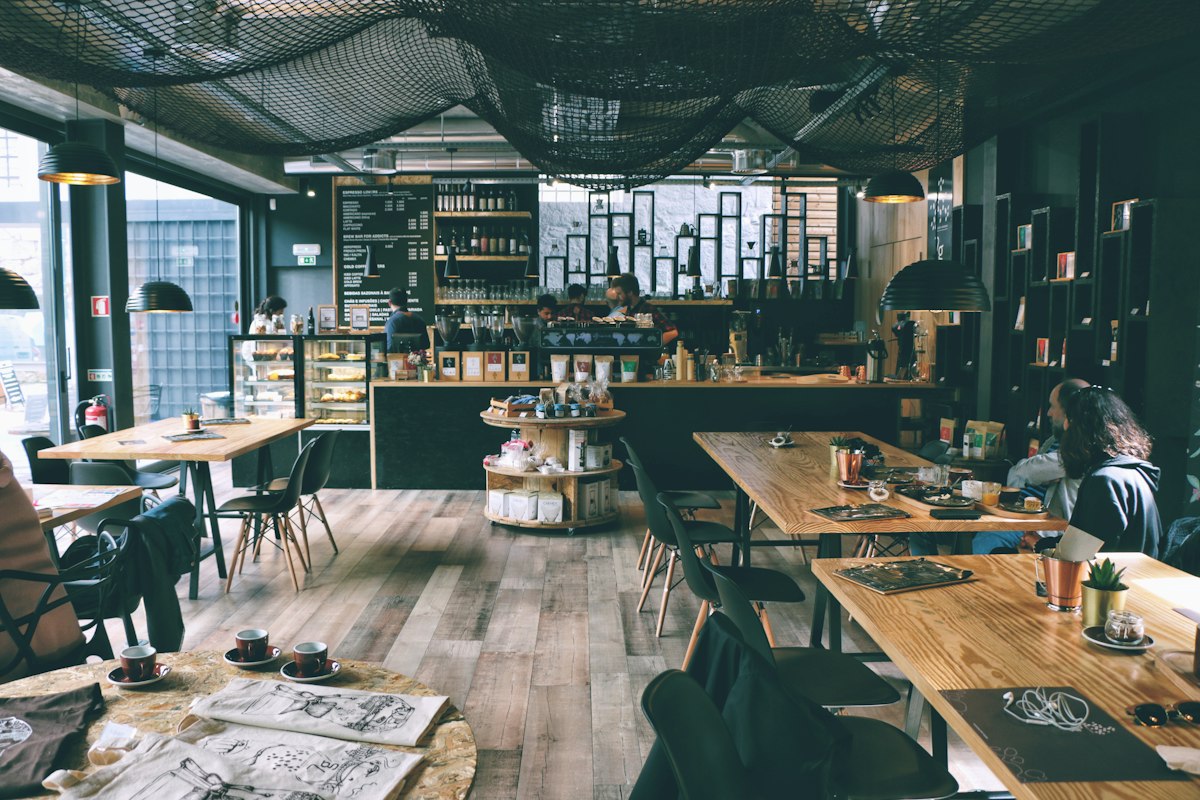
He has been at that table for three hours. His laptop is open, his coffee long finished, and he is conducting what sounds like a very serious meeting with someone in a different timezone, voice low enough to be private but not low enough to be invisible.
He is not from here. This much is evident. But he is not exactly a tourist either. He is something else — a person for whom this cafe in Mont Kiara or Bangsar or Georgetown is, at least for this month, where he works.
The digital nomad in Malaysia has become a fixture in certain kinds of spaces. The cafes with good wifi and sufficient outlets. The co-working places that have appeared above restaurants and beside laundromats. The serviced apartments where the lease is three months and the kitchen has a coffee machine. He came for the cost, mostly. What his income denominated in dollars or euros or pounds buys here is categorically different from what it buys at home.
Malaysians who share these spaces have a complicated relationship with this. The laptop at the cafe table for three hours is a behaviour that gets judged in Malaysians and pardoned in foreigners. The foreigner is assumed to be working. The local is assumed to be overstaying. This is not a deliberate double standard. It is an unconscious one.
What the nomad brings with him is an economy. He rents. He eats. He takes Grab. He goes to the gym that charges in ringgit. In aggregate, the presence of a few thousand people spending foreign income in local prices is not meaningless. The cafes in certain neighbourhoods have expanded their seating and improved their wifi speeds in direct response.
What he takes with him, less often discussed, is some of the affordable space. The cafe that used to be a place locals went now prices itself for someone whose coffee budget is denominated differently. The apartment that would have housed a family is now a serviced suite at three times the rate. The neighbourhood that felt accessible has acquired an unfamiliarity that is polite, curated, and not for everyone.
None of this is the nomad's doing. He is making a rational decision. So are the landlords and the cafe owners and the co-working operators. The outcome of many rational decisions is not always something that was chosen.
He closes the laptop, finally. He thanks the staff in careful Malay, self-taught, genuinely trying. He leaves a good tip. He was here, and now he is not, and the table is available again for whoever needs it next.
Dia telah berada di meja itu selama tiga jam. Laptopnya terbuka, kopinya sejak lama habis, dan dia sedang mengadakan apa yang kedengaran seperti mesyuarat yang sangat serius dengan seseorang di zon masa yang berbeza, suara cukup rendah untuk bersifat peribadi tetapi tidak cukup rendah untuk tidak kelihatan.
Dia bukan dari sini. Ini sudah jelas. Tetapi dia bukan betul-betul pelancong juga. Dia adalah sesuatu yang lain — seseorang yang kafe di Mont Kiara atau Bangsar atau Georgetown ini adalah, sekurang-kurangnya untuk bulan ini, tempat dia bekerja.
Nomad digital di Malaysia telah menjadi kelaziman di ruang-ruang tertentu. Kafe dengan wifi yang baik dan soket yang mencukupi. Tempat kerja bersama yang muncul di atas restoran dan di sebelah dobi. Apartmen servis di mana pajakan adalah tiga bulan dan dapur mempunyai mesin kopi. Dia datang kerana kos, kebanyakannya. Apa yang pendapatannya dalam dolar atau euro atau paun mampu beli di sini berbeza sepenuhnya daripada apa yang boleh dibeli di rumah.
Rakyat Malaysia yang berkongsi ruang ini mempunyai hubungan yang rumit dengan hal ini. Laptop di meja kafe selama tiga jam adalah tingkah laku yang dinilai pada rakyat Malaysia tetapi dimaafkan pada orang asing. Orang asing dianggap sedang bekerja. Orang tempatan dianggap terlalu lama duduk. Ini bukan standard berganda yang disengajakan. Ia adalah yang tidak disedari.
Apa yang nomad bawa bersamanya adalah ekonomi. Dia menyewa. Dia makan. Dia naik Grab. Dia pergi ke gym yang mengenakan cas dalam ringgit. Secara agregat, kehadiran beberapa ribu orang yang membelanjakan pendapatan asing pada harga tempatan adalah tidak bermakna. Kafe di kawasan tertentu telah mengembangkan tempat duduk dan meningkatkan kelajuan wifi mereka sebagai respons langsung.
Apa yang dia bawa pergi, kurang dibincangkan, adalah sebahagian ruang yang mampu milik. Kafe yang dahulunya tempat orang tempatan pergi kini menetapkan harga untuk seseorang yang bajet kopinya didenominasikan secara berbeza. Apartmen yang sepatutnya menempatkan keluarga kini adalah suite servis pada tiga kali ganda kadar. Kawasan kejiranan yang dahulunya terasa boleh diakses kini mempunyai keasing-asingan yang sopan, terkurasi, dan bukan untuk semua orang.
Tidak ada yang ini adalah salah nomad. Dia membuat keputusan yang rasional. Begitu juga tuan tanah dan pemilik kafe dan pengendali ruang kerja bersama. Hasil daripada banyak keputusan rasional tidak selalu sesuatu yang dipilih.
Dia menutup laptop, akhirnya. Dia mengucapkan terima kasih kepada kakitangan dalam Bahasa Melayu yang dipelajari sendiri, dengan ikhlas. Dia meninggalkan tip yang baik. Dia ada di sini, dan kini tidak ada, dan meja sudah boleh digunakan semula oleh sesiapa yang memerlukannya seterusnya.