The Rider Who Knows Your Building Better Than You Do
He knows which lift is faster. He knows the access code nobody uses. He has been here more often than some of the people who live here.
6 January 2026
3 min read-- reading now
He knows which lift is faster. He knows the access code for the loading bay that nobody uses but works better than the lobby. He knows that the unit at the end of the corridor has a dog that barks but does not bite, and he knows this because he has been here, in some cases, more often than the people who live here.
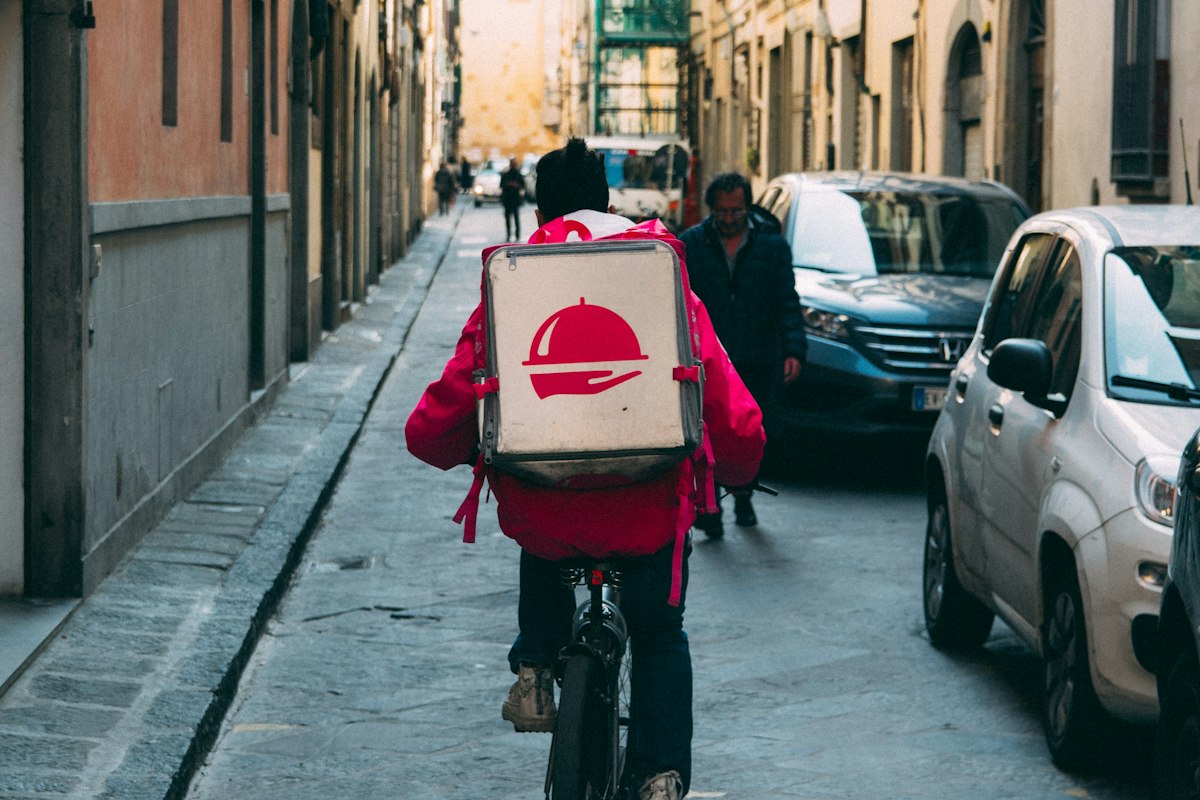
The delivery rider has become a figure in Malaysian life who is simultaneously ubiquitous and invisible. You see him on every road, the motorcycle moving through traffic with a specific kind of urgency that is different from ordinary riding because it is timed. You do not see him when the order arrives, because the interaction at the door is brief, the bag exchanged in the seconds it takes, and he is gone before you have returned to wherever you were.
The economy of the food delivery rider is a particular economy. He is a contractor, not an employee, which means the language of rights and entitlements does not apply in the conventional way. He earns per order, with multipliers for distance and for peak hours and for conditions that the platform determines. On a good day, the calculation works in his favour. On a bad day — when there are few orders, or when traffic makes the trips slow, or when the weather makes the road dangerous but the orders are still there because people don't want to go out in the rain — the calculation works differently.
The rain is its own thing. Rain increases orders, because people order food instead of going out. Rain also increases the hazard of the delivery. The rider is therefore most in demand at the moment when his work is most dangerous. This is a feature of the system that is not often discussed explicitly, though anyone who has watched delivery riders navigating a highway in a downpour has experienced the thought without necessarily forming it.
The platforms have built conveniences for the user that run on the rider's time and availability in ways that the user rarely thinks about. The fifteen-minute estimate. The tracking dot moving toward your building. The notification when he arrives downstairs. These are the customer-facing features of a system that, from the other side, involves a person waiting outside your building in whatever weather there is, because the job requires it.
He knows your building. He is in many buildings, every day. He carries the city's appetite from one place to another on a motorcycle, in the rain and the heat and the traffic, for an income that varies and a status that doesn't quite fit any of the categories we have.
Dia tahu lif mana yang lebih cepat. Dia tahu kod akses untuk dok pemuatan yang tiada siapa guna tetapi lebih baik daripada lobi. Dia tahu bahawa unit di hujung koridor mempunyai anjing yang menyalak tetapi tidak menggigit, dan dia tahu ini kerana dia pernah ke sini — dalam sesetengah kes — lebih kerap daripada orang yang tinggal di sini.
Penunggang penghantaran telah menjadi sosok dalam kehidupan Malaysia yang pada masa yang sama ada di mana-mana dan tidak kelihatan. Anda melihatnya di setiap jalan, motosikal bergerak melalui trafik dengan sejenis urgensi tertentu yang berbeza daripada menunggang biasa kerana ia diukur masa. Anda tidak melihatnya apabila pesanan tiba, kerana interaksi di pintu adalah singkat, beg ditukar dalam saat yang diperlukan, dan dia sudah pergi sebelum anda kembali ke tempat anda berada.
Ekonomi penunggang penghantaran makanan adalah ekonomi yang tertentu. Dia adalah kontraktor, bukan pekerja, yang bermaksud bahasa hak dan kelayakan tidak terpakai dengan cara konvensional. Dia mendapat bayaran setiap pesanan, dengan pengganda untuk jarak dan waktu puncak dan syarat yang ditentukan oleh platform. Pada hari yang baik, pengiraan berpihak kepadanya. Pada hari yang buruk — apabila pesanan sedikit, atau apabila trafik membuatkan perjalanan lambat, atau apabila cuaca menjadikan jalan berbahaya tetapi pesanan masih ada kerana orang tidak mahu keluar dalam hujan — pengiraan beroperasi secara berbeza.
Hujan adalah sesuatu yang tersendiri. Hujan meningkatkan pesanan, kerana orang memesan makanan daripada keluar. Hujan juga meningkatkan bahaya penghantaran. Penunggang oleh itu paling diperlukan pada saat kerjanya paling berbahaya. Ini adalah ciri sistem yang tidak sering dibincangkan secara eksplisit, walaupun sesiapa yang pernah melihat penunggang penghantaran mengemudi leblebuh raya dalam ribut pernah merasai pemikiran itu tanpa semestinya membentuknya.
Platform telah membina kemudahan untuk pengguna yang berjalan atas masa dan ketersediaan penunggang dengan cara yang pengguna jarang fikirkan. Anggaran lima belas minit. Titik penjejak yang bergerak menuju ke bangunan anda. Pemberitahuan apabila dia tiba di bawah. Ini adalah ciri-ciri yang menghadap pelanggan bagi sistem yang, dari sisi lain, melibatkan seseorang yang menunggu di luar bangunan anda dalam apa jua cuaca, kerana kerja itu memerlukannya.
Dia mengenali bangunan anda. Dia berada di banyak bangunan, setiap hari. Dia membawa selera makan kota dari satu tempat ke tempat lain di atas motosikal, dalam hujan dan panas dan trafik, untuk pendapatan yang berbeza-beza dan status yang tidak tepat sesuai dengan mana-mana kategori yang kita ada.