The number at the bottom is always higher than you were expecting. This has stopped being surprising.
6 October 2025
3 min read-- reading now
The number at the bottom is always higher than you were expecting. This has stopped being surprising.
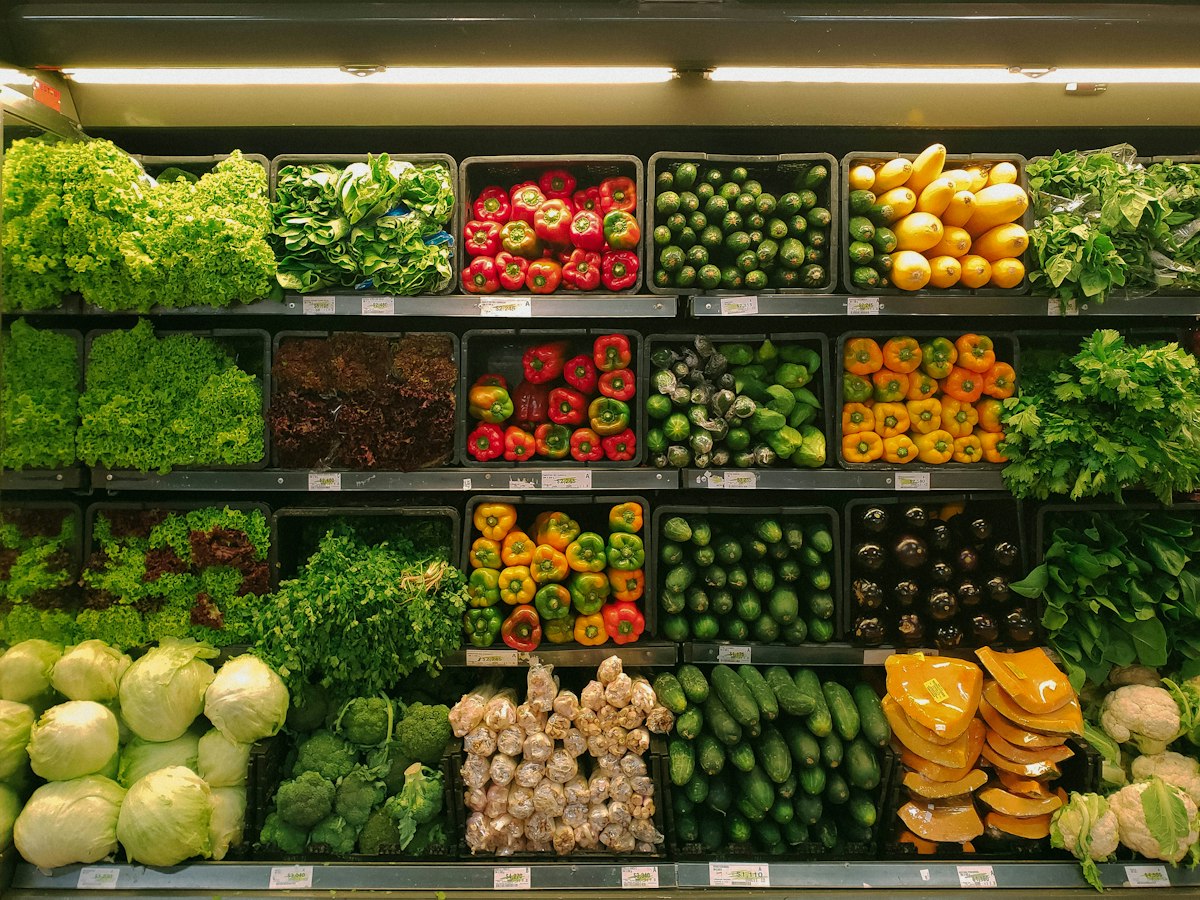
What has taken its place is a particular kind of arithmetic that Malaysians now do automatically in supermarkets. You count in your head as you go. You make decisions in the aisle that you didn't used to have to make. The chicken or the fish. The cooking oil you normally buy or the one on promotion. The juice or the water. The mental running total runs alongside the physical trip, and the goal is not to be shocked at the counter.
This is new behaviour. Not brand new, but newer than people like to admit. Five years ago, most households had a set of things they bought without thinking about the price. The thinking was reserved for larger purchases. Now the thinking has moved into the weekly shop, into the basket, into the decision about whether to get two or one.
The items that have absorbed the most attention are the ones that were once cheap by design. Eggs. Cooking oil. Sugar. These were things that were simply there, at a price that didn't require consideration. The price of eggs became a national conversation not because eggs are unusual but because they had never needed to be considered before.
There is a particular frustration that comes from price increases in things you cannot substitute. You can choose to eat chicken less often. You cannot choose to need cooking oil less often. The inescapability is the part that settles in as a low background pressure.
People have developed strategies. Buying in bulk when something is on sale. Tracking which hypermarket carries which item cheaper. Keeping a mental map of the promotions and rotating accordingly. There is a whole informal knowledge economy around this — conversations between friends about where the cooking oil is cheaper this week, which supermarket has a better deal on the brand of rice you use.
The strategies work, to a point. They work better if you have a car, because driving to a cheaper supermarket further away is only viable if you have the means to do so. They work better if you have storage space, because buying six bottles of cooking oil at once requires somewhere to put them. The optimisations available to a household with resources are different from those available to a household without.
What is invisible in the conversation about rising prices is the energy required to manage them. The mental load of constant comparison, of tracking promotions, of adjusting meals around what is affordable that week, is work. It is work that falls unevenly, usually on whoever in the household is responsible for feeding it.
The receipt gets longer. The basket gets more deliberate. And at the counter, the number at the bottom is still, almost always, slightly more than you had calculated.
Nombor di bahagian bawah sentiasa lebih tinggi daripada yang anda jangkakan. Ini sudah tidak mengejutkan lagi.
Yang mengambil tempatnya ialah satu jenis aritmetik tertentu yang kini dilakukan oleh rakyat Malaysia secara automatik di pasar raya. Anda mengira dalam kepala semasa berjalan. Anda membuat keputusan di lorong yang dulu tidak perlu dibuat. Ayam atau ikan. Minyak masak yang biasa dibeli atau yang dalam promosi. Jus atau air. Jumlah yang dikira dalam minda berjalan seiring dengan perjalanan fizikal, dan matlamatnya adalah supaya tidak terkejut di kaunter.
Ini adalah tingkah laku baru. Bukan baru sangat, tetapi lebih baru daripada yang orang suka akui. Lima tahun lalu, kebanyakan isi rumah mempunyai senarai barangan yang dibeli tanpa memikirkan harga. Pemikiran dikhaskan untuk pembelian yang lebih besar. Kini pemikiran itu telah memasuki urusan belanja mingguan, ke dalam bakul, ke dalam keputusan sama ada mahu beli dua atau satu.
Barang-barang yang paling banyak mendapat perhatian ialah yang pernah murah mengikut reka bentuk. Telur. Minyak masak. Gula. Ini adalah perkara yang ada sahaja, pada harga yang tidak memerlukan pertimbangan. Harga telur menjadi perbualan nasional bukan kerana telur adalah sesuatu yang luar biasa tetapi kerana ia tidak pernah perlu dipertimbangkan sebelum ini.
Ada kekecewaan tertentu yang datang dari kenaikan harga barang yang tidak boleh digantikan. Anda boleh memilih untuk makan ayam kurang kerap. Anda tidak boleh memilih untuk memerlukan minyak masak kurang kerap. Ketidakbolehlaian itulah yang menetap sebagai tekanan latar belakang yang rendah.
Orang ramai telah membina strategi. Membeli secara borong apabila sesuatu barang dalam promosi. Menjejaki pasar raya mana yang menjual barang tertentu dengan lebih murah. Menyimpan peta mental tentang promosi dan bergilir-gilir mengikutnya. Ada satu ekosistem pengetahuan tidak rasmi di sekeliling ini — perbualan antara rakan-rakan tentang di mana minyak masak lebih murah minggu ini, pasar raya mana yang ada tawaran lebih baik untuk beras yang biasa digunakan.
Strategi itu berkesan, setakat tertentu. Ia lebih berkesan jika anda mempunyai kereta, kerana memandu ke pasar raya yang lebih murah tetapi lebih jauh hanya boleh dilakukan jika anda mempunyai kemampuan untuk berbuat demikian. Ia lebih berkesan jika anda mempunyai ruang penyimpanan, kerana membeli enam botol minyak masak sekaligus memerlukan tempat untuk menyimpannya.
Apa yang tidak kelihatan dalam perbualan tentang harga yang meningkat ialah tenaga yang diperlukan untuk menguruskannya. Beban mental membuat perbandingan yang berterusan, menjejaki promosi, menyesuaikan hidangan mengikut apa yang mampu dibeli minggu itu, adalah kerja. Dan ia jatuh secara tidak sekata, biasanya kepada sesiapa yang bertanggungjawab memberi makan isi rumah.
Resit semakin panjang. Bakul semakin disengajakan. Dan di kaunter, nombor di bahagian bawah masih, hampir selalu, sedikit lebih daripada yang telah dikira.