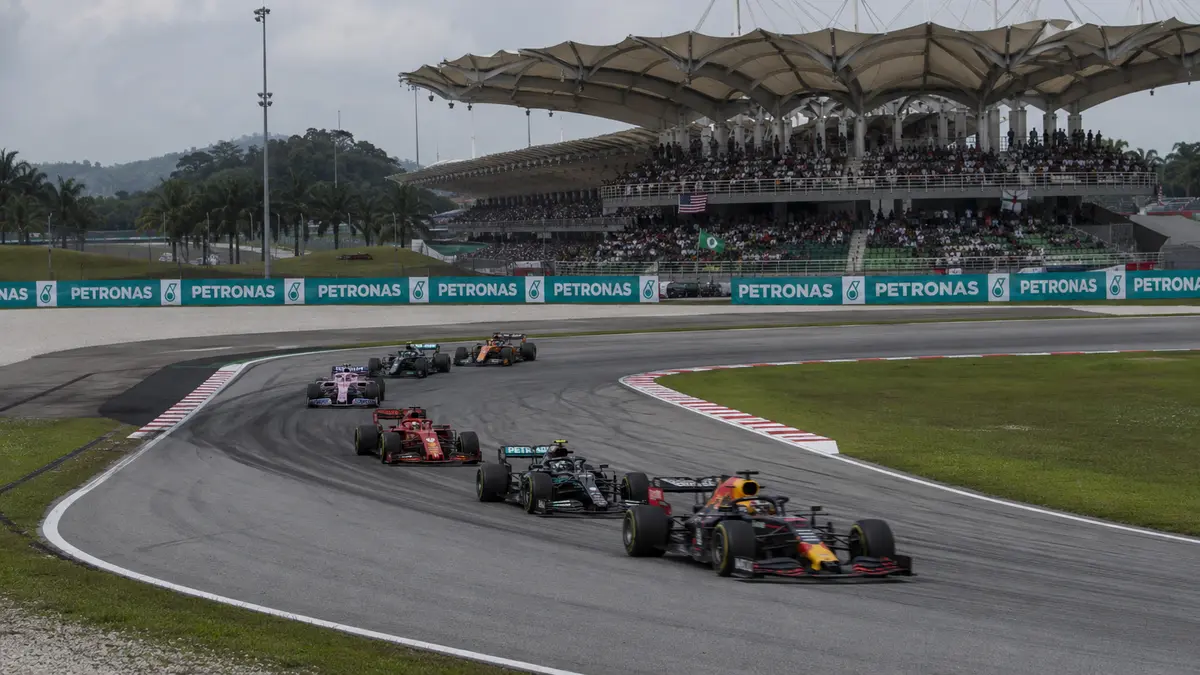
After almost nine years, the sound of Formula 1 cars is expected to return to Sepang.
Formula 1 and the FIA have announced that PETRONAS Sepang International Circuit will host a race from 2 to 4 October 2026. But its official name will not be the Malaysian Grand Prix.
It will be called the Formula 1 Gulf Air Bahrain Grand Prix in Malaysia.
The name sounds strange. Why is a race taking place in Selangor still called the Bahrain Grand Prix? Is the Malaysian Grand Prix really back? Who is paying, and when can fans buy tickets?
The short answer is that Malaysia is providing a new venue for Bahrain's race after it could not take place at its original home. It is a special arrangement for 2026, not confirmation of a permanent Malaysian Grand Prix comeback.
What Has Actually Been Announced?
According to Formula 1's official announcement, Sepang will host the event from Friday, 2 October to Sunday, 4 October 2026.
The race is positioned between the Azerbaijan and Singapore Grands Prix. The announcement also says the event remains subject to final agreements, official sign-off and approval by the World Motor Sport Council.
That means the principal parties have announced the plan, but formal steps remain. It is more accurate to describe the race as announced and under preparation than to treat a seat at Sepang as guaranteed.
Why Is the Bahrain Grand Prix Happening in Malaysia?
Bahrain's race was originally scheduled to take place in the Middle East in April. On 14 March, Formula 1 announced that the Bahrain and Saudi Arabian Grands Prix would not take place on their original dates following safety assessments related to the regional situation.
Several months later, Formula 1, the FIA and the governments of Bahrain and Malaysia reached an arrangement to preserve Bahrain's race by moving the venue to Sepang.
Bahrain remains the promoter and retains the event's identity. Malaysia provides the circuit and operational ability to host it. That is why Bahrain stays in the name even though the cars will race in Malaysia.
Sporting events sometimes retain the identity of their organiser when the location changes. For modern Formula 1, however, this arrangement is unusual enough that the official name has become part of the story.
Is the Malaysian Grand Prix Back?
Not necessarily.
Sepang hosted Formula 1 from 1999 to 2017, when Max Verstappen won the final Malaysian Grand Prix. Malaysia then stopped hosting amid high sanctioning costs and weakening attendance.
The October event brings Formula 1 back to the same circuit, but under Bahrain's hosting rights. As of 30 July, there has been no announcement of a multi-year Malaysian agreement or a Malaysian Grand Prix for 2027.
There are therefore three separate facts:
| Question |
Status |
| Will Formula 1 race at Sepang in October 2026? |
Announced, subject to final processes |
| Is the event called the Malaysian Grand Prix? |
No |
| Has Malaysia returned as a permanent F1 host? |
Not announced |
The distinction matters. One race weekend may open the door to future discussions, but it is not a long-term agreement by itself.
Who Is Paying?
This is one of the most significant parts of the arrangement for Malaysia.
In a published transcript from the Prime Minister's Office, Prime Minister Anwar Ibrahim said Bahrain had already paid an F1 fee worth hundreds of millions of ringgit and would not ask Malaysia to reimburse it.
He said Malaysia could not afford to pay a sanctioning fee worth hundreds of millions. According to the speech, a circuit inspection identified roughly RM11 million to RM12 million of repair work, which Malaysia was prepared to fund.
That suggests a very different structure from purchasing the rights to an ordinary Grand Prix. The RM11 million to RM12 million figure does not necessarily represent every related public cost. Security, transport, immigration, customs and other operations also use resources.
Economic benefits should not be assumed either. Hotels, airlines, restaurants and local businesses may gain if international spectators arrive. The real value can only be judged when visitor numbers, spending and total costs are known.
For now, the most accurate conclusion is that Bahrain has borne the main F1 fee, while Malaysia is paying for circuit preparation and carrying the responsibilities of the host venue.
Why Can Sepang Prepare So Quickly?
Sepang is not a new circuit.
The 5.543-kilometre track has 15 corners and first hosted Formula 1 in 1999. It already has pit facilities, grandstands, operational access and experience with international championships. Its location near KLIA also helps teams, equipment and spectators move in and out.
The challenge is still substantial. Almost nine years have passed since the last F1 race. The track, safety systems, spectator facilities and race operations must meet current requirements.
Malaysia's weather adds another layer. Heat, humidity and heavy rain made Sepang one of Formula 1's most demanding and unpredictable races. That is part of the nostalgia for fans, but it also requires serious preparation.
Can You Buy Tickets Now?
Not yet.
The official Sepang International Circuit website is accepting registrations of interest for the 2 to 4 October event. Formula 1 says ticket-release information will be announced later.
Registering interest is not a purchase and does not guarantee a ticket. Avoid unofficial sellers until prices, seating categories and sales channels are confirmed by Sepang or Formula 1.
For now, fans can:
- Register interest through Sepang's official website.
- Wait for confirmed prices and a seating plan.
- Check whether a ticket covers one day or the full weekend.
- Include transport, parking, food and accommodation in the budget.
- Be cautious of unverified resale links or claims of a "pre-sale".
Once official prices appear, the next practical question will be what attending F1 at Sepang really costs, not merely the ticket price.
Why Does This Race Matter?
For fans, the answer is simple. Formula 1 is returning to one of the region's most recognisable circuits.
For Malaysia, the event is a bigger test. It can show whether local and regional demand remains strong, whether Sepang's infrastructure can handle modern F1 and whether the economic benefits justify the public cost.
It also creates a trial without Malaysia paying the main sanctioning fee that previously made hosting difficult.
If the grandstands fill, operations run smoothly and visitor spending can be demonstrated, the case for a permanent Malaysian Grand Prix will become stronger. If hidden costs rise or demand disappoints, nostalgia alone will not justify a long-term deal.
Formula 1 is returning to Sepang. But in October, Malaysia will not merely be watching a race.
It will also be testing whether a renewed relationship with F1 still makes sense after almost a decade.
Selepas hampir sembilan tahun, bunyi kereta Formula 1 dijangka kembali ke Sepang.
Formula 1 dan FIA mengumumkan bahawa PETRONAS Sepang International Circuit akan menjadi lokasi perlumbaan pada 2 hingga 4 Oktober 2026. Namun nama rasminya bukan Grand Prix Malaysia.
Acara itu akan dikenali sebagai Formula 1 Gulf Air Bahrain Grand Prix in Malaysia.
Nama tersebut kedengaran pelik. Mengapa perlumbaan yang berlangsung di Selangor masih dipanggil Grand Prix Bahrain? Adakah Grand Prix Malaysia benar-benar kembali? Siapa yang membayar kosnya, dan bila tiket boleh dibeli?
Jawapan ringkasnya ialah Malaysia menjadi tuan rumah kepada perlumbaan Bahrain yang tidak dapat berlangsung di lokasi asal. Ia satu aturan khas untuk 2026, bukan pengesahan bahawa Grand Prix Malaysia kembali secara tetap.
Apa yang Sebenarnya Diumumkan?
Menurut pengumuman rasmi Formula 1, Sepang akan menganjurkan perlumbaan dari Jumaat, 2 Oktober hingga Ahad, 4 Oktober 2026.
Perlumbaan itu diletakkan antara Grand Prix Azerbaijan dan Singapura. Namun pengumuman tersebut turut menyatakan bahawa acara itu masih tertakluk kepada perjanjian akhir, pengesahan rasmi dan kelulusan World Motor Sport Council.
Maksudnya, rancangan itu telah diumumkan oleh pihak utama, tetapi beberapa proses rasmi masih perlu dilengkapkan. Ia lebih tepat digambarkan sebagai perlumbaan yang diumumkan dan sedang disediakan, bukan tiket yang sudah pasti berada dalam tangan.
Mengapa Grand Prix Bahrain Berlangsung di Malaysia?
Grand Prix Bahrain pada asalnya dijadualkan berlangsung di Timur Tengah pada April. Pada 14 Mac, Formula 1 mengumumkan bahawa perlumbaan Bahrain dan Arab Saudi tidak akan berlangsung pada tarikh asal selepas penilaian keselamatan berkaitan situasi serantau.
Beberapa bulan kemudian, Formula 1, FIA serta kerajaan Bahrain dan Malaysia mencapai aturan untuk mengekalkan perlumbaan itu dengan memindahkan lokasi ke Sepang.
Bahrain kekal sebagai penganjur dan pemilik identiti acara. Malaysia menyediakan litar dan keupayaan operasi untuk menganjurkannya. Sebab itu nama Bahrain kekal walaupun kereta berlumba di Malaysia.
Ia bukan kali pertama acara sukan mengekalkan identiti penganjurnya apabila lokasi berubah. Tetapi bagi Formula 1 moden, aturan sebegini cukup luar biasa sehingga nama rasmi itu sendiri menjadi sebahagian daripada ceritanya.
Adakah Grand Prix Malaysia Kembali?
Belum tentu.
Sepang menganjurkan Formula 1 dari 1999 hingga 2017. Perlumbaan terakhir dimenangi oleh Max Verstappen. Selepas itu, Malaysia berhenti menjadi tuan rumah dalam keadaan kos penganjuran tinggi dan jumlah penonton yang semakin lemah.
Acara Oktober ini membawa Formula 1 kembali ke litar yang sama, tetapi di bawah hak penganjuran Bahrain. Setakat 30 Julai, tiada pengumuman bahawa Malaysia telah menandatangani perjanjian berbilang tahun atau bahawa Grand Prix Malaysia akan kembali pada 2027.
Jadi terdapat tiga perkara yang berbeza:
| Perkara | Status |
|---|
| Formula 1 berlumba di Sepang pada Oktober 2026 | Diumumkan, tertakluk kepada proses akhir |
| Acara itu dinamakan Grand Prix Malaysia | Tidak |
| Malaysia kembali sebagai tuan rumah F1 secara tetap | Belum diumumkan |
Perbezaan ini penting. Satu hujung minggu perlumbaan boleh membuka pintu kepada perbincangan masa hadapan, tetapi ia bukan perjanjian jangka panjang dengan sendirinya.
Siapa yang Membayar?
Ini antara sebab aturan tersebut menarik bagi Malaysia.
Dalam teks ucapan yang diterbitkan Pejabat Perdana Menteri, Perdana Menteri Anwar Ibrahim berkata Bahrain sudah membayar yuran F1 bernilai ratusan juta ringgit dan tidak meminta Malaysia membayar balik yuran tersebut.
Beliau berkata Malaysia tidak mampu membayar yuran penganjuran berjumlah ratusan juta ringgit. Menurut ucapan itu, pemeriksaan litar mendapati kerja pembaikan sekitar RM11 juta hingga RM12 juta diperlukan, dan Malaysia bersedia menanggungnya.
Itu menunjukkan struktur yang sangat berbeza daripada membeli hak penganjuran Grand Prix biasa. Namun angka RM11 juta hingga RM12 juta tidak semestinya mewakili setiap kos awam yang berkaitan. Keselamatan, pengangkutan, imigresen, kastam dan operasi lain juga melibatkan sumber.
Faedah ekonomi juga tidak boleh dianggap automatik. Hotel, penerbangan, restoran dan perniagaan tempatan mungkin mendapat manfaat jika penonton antarabangsa datang. Tetapi nilai sebenar hanya boleh dinilai selepas jumlah pengunjung, perbelanjaan dan kos keseluruhan diketahui.
Buat masa ini, kesimpulan paling tepat ialah Bahrain sudah menanggung yuran utama F1, manakala Malaysia menanggung persediaan litar dan tanggungjawab sebagai lokasi tuan rumah.
Mengapa Sepang Boleh Bersedia Dengan Cepat?
Sepang bukan litar baharu.
Litar sepanjang 5.543 kilometer itu mempunyai 15 selekoh dan dibuka sebagai lokasi Formula 1 pada 1999. Ia sudah memiliki pit, grandstand, akses operasi dan pengalaman menganjurkan kejohanan antarabangsa. Lokasinya berhampiran KLIA juga memudahkan pergerakan pasukan, peralatan dan penonton.
Cabarannya tetap besar. Hampir sembilan tahun telah berlalu sejak perlumbaan F1 terakhir. Litar, sistem keselamatan, kemudahan penonton dan operasi perlumbaan perlu memenuhi standard semasa.
Cuaca Malaysia menambah satu lagi lapisan. Panas, kelembapan dan hujan lebat pernah menjadikan Sepang salah satu perlumbaan paling mencabar dan sukar dijangka. Itulah sebahagian daripada nostalgia peminat, tetapi ia juga memerlukan persediaan serius.
Bolehkah Tiket Dibeli Sekarang?
Belum.
Laman rasmi Sepang International Circuit sedang menerima pendaftaran minat untuk acara 2 hingga 4 Oktober. Formula 1 pula menyatakan bahawa maklumat penjualan tiket akan diumumkan kemudian.
Pendaftaran minat bukan pembelian dan tidak menjamin tiket. Elakkan membeli daripada penjual tidak rasmi sebelum harga, kategori tempat duduk dan saluran jualan disahkan oleh Sepang atau Formula 1.
Buat masa ini, peminat boleh:
1. Mendaftar minat melalui laman rasmi Sepang. 2. Menunggu pengumuman harga dan pelan tempat duduk. 3. Menyemak sama ada tiket meliputi satu hari atau hujung minggu penuh. 4. Memasukkan pengangkutan, parkir, makanan dan penginapan dalam bajet. 5. Berhati-hati terhadap pautan jualan semula atau tuntutan "pra-jualan" yang tidak disahkan.
Selepas harga rasmi keluar, persoalan praktikal seterusnya ialah jumlah sebenar kos menghadiri F1 di Sepang, bukan harga tiket sahaja.
Mengapa Perlumbaan Ini Penting?
Bagi peminat, sebabnya mudah. Formula 1 kembali ke salah satu litar yang paling dikenali di rantau ini.
Bagi Malaysia, acara itu menjadi ujian yang lebih besar. Ia boleh menunjukkan sama ada permintaan tempatan dan serantau masih cukup kuat, sama ada infrastruktur Sepang boleh mengendalikan F1 moden dan sama ada manfaat ekonomi sepadan dengan kos awam.
Ia juga menawarkan ujian tanpa Malaysia menanggung yuran penganjuran utama yang biasanya menjadi halangan.
Jika grandstand penuh, operasi berjalan lancar dan perbelanjaan pengunjung dapat dibuktikan, suara yang mahu Grand Prix Malaysia kembali secara tetap akan menjadi lebih kuat. Jika kos tersembunyi meningkat atau permintaan lemah, nostalgia sahaja tidak cukup untuk menyokong perjanjian jangka panjang.
Formula 1 memang kembali ke Sepang. Tetapi pada Oktober nanti, Malaysia bukan sekadar menonton perlumbaan.
Negara ini juga sedang menguji sama ada hubungan dengan F1 masih masuk akal selepas hampir satu dekad.